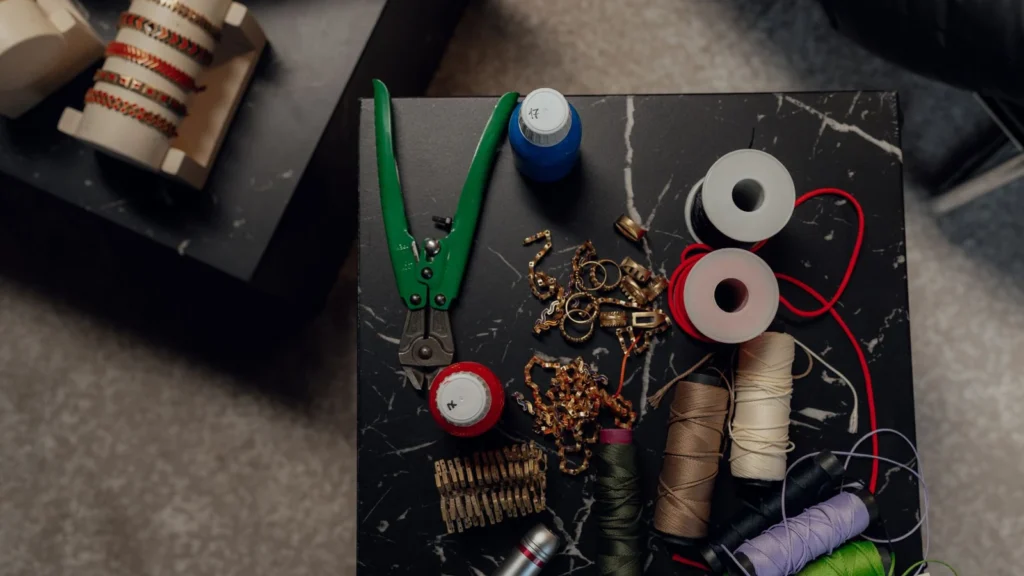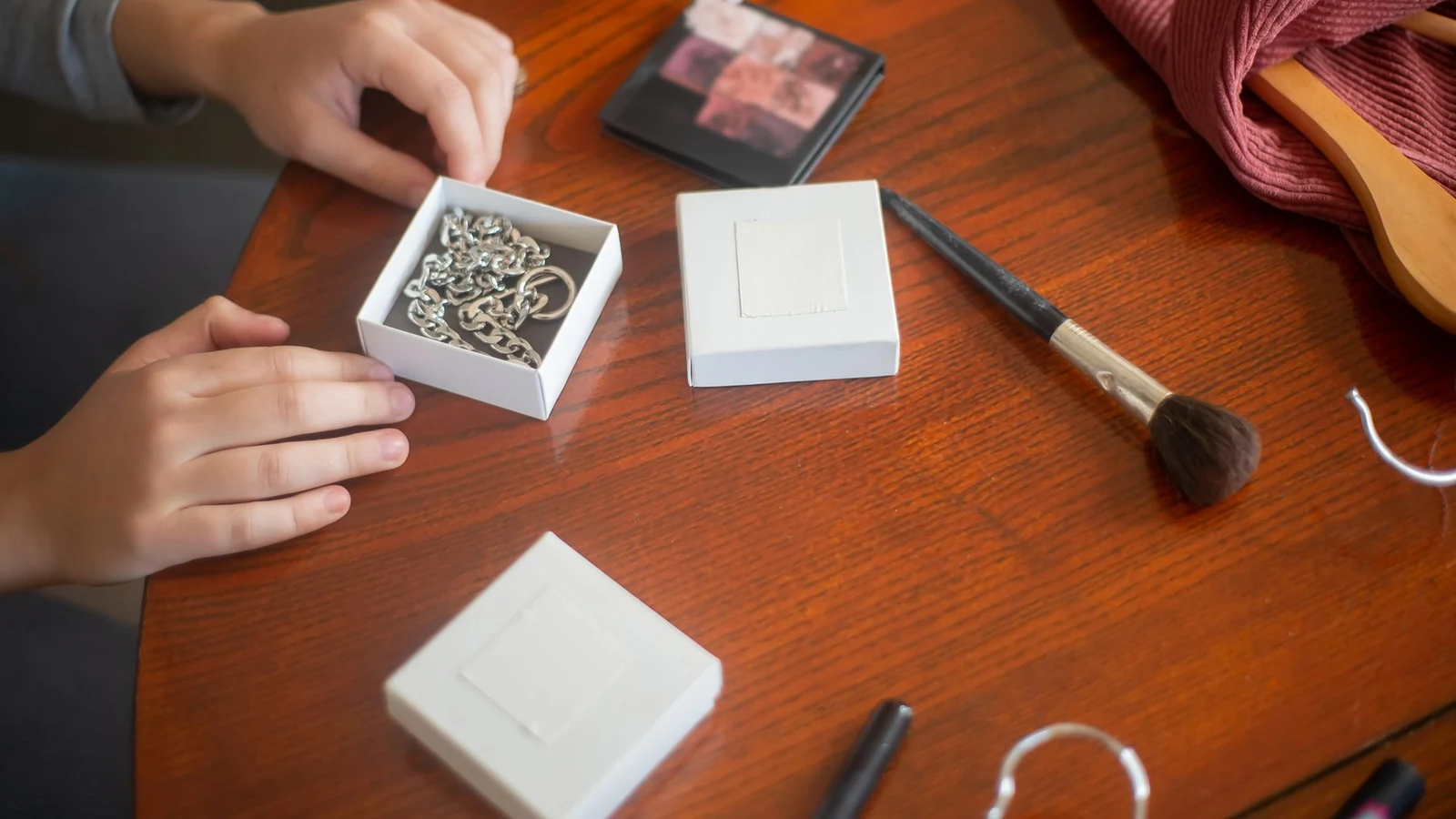
A Simple Routine for Storing Jewellery Without Extra Fuss is best treated as a decision about an ordinary routine, not a search for a universal winner. For a UK reader, the useful starting point is what has to work on a normal day: the published material description, the practical meaning of dimensions and fit, and whether the stated care information fits the time and attention available after purchase. This independent care & how-to does not claim hands-on testing, special access to a seller, or a result that will suit every household. It shows how to turn visible information into a calmer, more comparable choice.
Research note: this article is written for the United Kingdom and uses the local habits of centimetres, kilograms, litres and pounds sterling where a listing provides them. Product versions, availability, prices and seller policies can change. At the point of purchase, confirm the exact configuration, dimensions, care information, delivery terms and return route directly with the seller or maker. When a decisive detail is missing, the responsible conclusion is not to assume it; it is to leave that point open until better information is available.
Begin with the real job
Start by writing one sentence about the job. That might be a daily commute, a small shared room, a regular cleaning routine, a weekend away, or a replacement for an item that no longer fits the way it is used. Then add two limits: what cannot become more complicated and what must remain easy to maintain. This prevents a long list of features from disguising a poor fit. A clear job also helps separate useful evidence from attractive but unrelated presentation. For A Simple Routine for Storing Jewellery Without Extra Fuss, that sentence should describe the particular jewellery and accessories decision instead of borrowing a generic shopping checklist; this is the article’s UK case note 061.
A sustainable care routine should be small enough to repeat. Start with the maker's published instructions, use the least complicated method that fits them, and keep the relevant cleaning or storage supplies where the item is normally used.
Turn the listing into comparable evidence
For a simple routine for storing jewellery without extra fuss, keep the source beside each important claim. Record the exact material description, the stated dimensions and fit, and any condition attached to the care information. Compare like with like: the same unit, the same size or configuration, and the same published conditions. If one option offers a generous headline but leaves finish or closure vague, that uncertainty belongs in the comparison rather than being filled with a guess. This small record is usually more useful than a score because it can be checked again when the listing changes.
- Material Description: copy the maker or seller wording and the date it was checked.
- Dimensions And Fit: compare the same unit, condition and configuration.
- Care Information: keep the published care, delivery and service wording together.
Make the trade-offs visible
Every choice has trade-offs. A lighter, simpler or lower-maintenance option may make sense for one routine, while another reader may reasonably choose more capacity, more structure or more detailed service information. The important point is to name the trade-off in plain language: how wear pattern changes day-to-day use, whether skin contact asks for extra attention, and what storage could mean after the first week. A good short list makes those differences visible without promising a perfect outcome. In the context of A Simple Routine for Storing Jewellery Without Extra Fuss, the trade-off is read through jewellery and accessories, so the most suitable option can differ from the most visually persuasive or most heavily described one.
Care is also a buying question. If the ordinary upkeep is unclear, take that uncertainty seriously before purchase. An item can be beautifully presented and still be a poor fit if its routine is more demanding than the household can keep.
Keep the context beside the detail
Published information is easiest to use when it stays connected to the situation it describes. A measurement, material, feature or policy may look decisive on its own, yet its value can change with finish, closure and the reader's available time. For that reason, keep a short note of where each detail came from, whether it applies to the exact option under consideration, and whether it is stated by the maker, the retailer or an independent public source. That record does not make a purchase risk-free; it makes it easier to notice where an apparently simple comparison is relying on different assumptions. That is especially important in A Simple Routine for Storing Jewellery Without Extra Fuss, where a detail may be relevant to one routine but beside the point for another reader considering jewellery and accessories.
It is also useful to separate a current fact from a preference. Current facts include the stated dimensions, included parts, return window and service terms. Preferences include colour, styling, the feel of a finish and the amount of effort a reader is happy to accept. Both belong in a good decision, but they should not be presented as the same kind of evidence. When the two are kept distinct, an article can be clear about what has been verified while leaving personal taste with the reader. It also gives a reader a practical reason to return to the original listing rather than relying on a remembered impression. Applied to A Simple Routine for Storing Jewellery Without Extra Fuss, this separation protects the reader from mistaking an editorial preference for a verified statement about a current option.
Test the choice against an ordinary week
Before ordering, test the decision against an ordinary week. Picture storage, cleaning, repeated handling, travel between rooms or places, and the time needed to find a replacement part or ask for support. This is where published details become practical. A feature matters only if it works with the space, routines and other items already in place. If the purchase would require a workaround every time it is used, that cost should be considered honestly. For A Simple Routine for Storing Jewellery Without Extra Fuss, the useful test is not an imagined ideal day but the repeatable routine a UK reader can reasonably expect after the purchase arrives.
A final reader checklist
- Define the main job and two limits before comparing jewellery & accessories options.
- Verify material description, dimensions and fit and the exact care information for the configuration actually being considered.
- Keep price, delivery, returns and service wording in the same decision note.
- Leave an important point unresolved when the current listing does not state it clearly.
- Recheck the source and seller terms immediately before purchase.
The considered conclusion
The considered conclusion for a simple routine for storing jewellery without extra fuss is not a ranking. It is a method: define the job, check the details that can be verified, compare the ownership effort, and pause when an important fact is missing. That approach leaves room for personal preference while still giving a UK reader a reliable way to avoid a mismatch. It also keeps this launch library editorial: there are no affiliate links, purchase buttons, sponsored rankings or claims of private testing here.
Sources and verification note
For “A Simple Routine for Storing Jewellery Without Extra Fuss,” Active Codes recorded the following public sources as background guidance. Product-level details still need a fresh check at the point of decision.
- British Hallmarking Council — reviewed 2026-08-23.
- Citizens Advice: consumer — reviewed 2026-08-23.
Last fact-checked: August 23, 2026.